
VIETNAMESE HAIR VS BRAZILIAN HAIR: THE UNTOLD TRUTH YOU NEED TO KNOW BEFORE BUYING
Jun
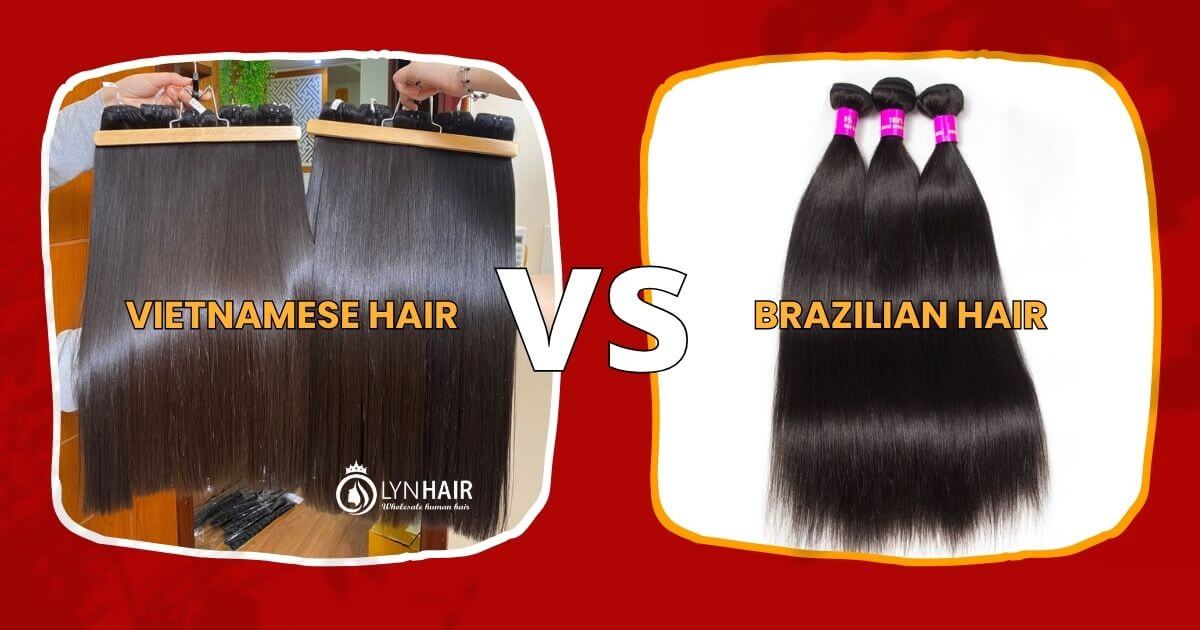
Vietnamese hair and Brazilian hair are two of the most popular choices in the global hair extension market. While both are widely promoted as premium products, they differ greatly in origin, texture, longevity, and styling versatility.
So which one is actually worth your investment? In this guide, we’ll break down the key differences between Vietnamese hair vs Brazilian hair and help you make an informed buying decision.
The Industry Secret: What Are Vietnamese and Brazilian Hair, Really?
To make an educated purchase, you must first understand the raw truth about where these hair extensions actually come from.
Vietnamese Hair: The Standard of Silkiness and Strength
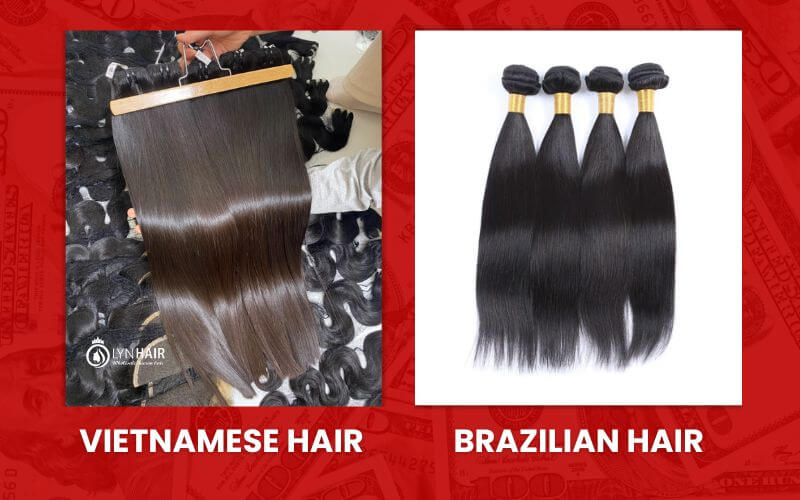
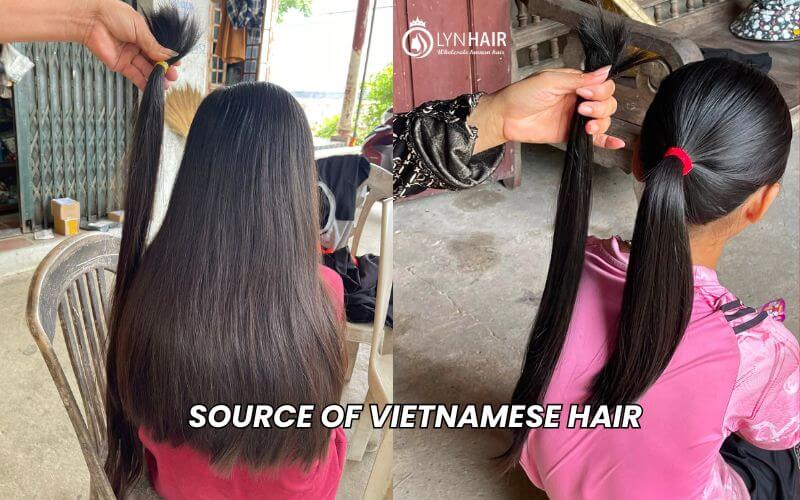
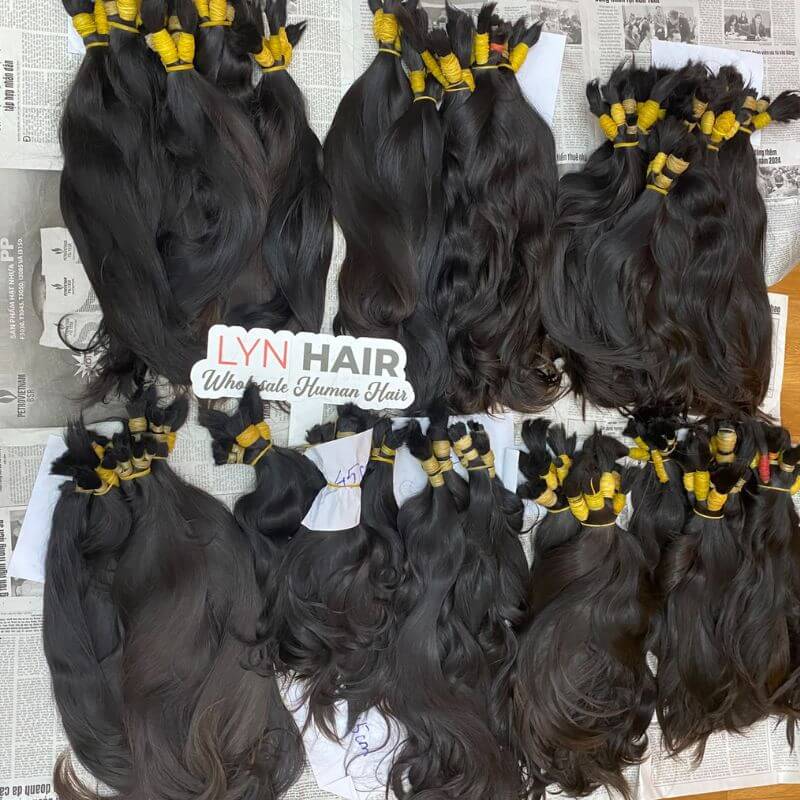
Vietnamese hair is ethically sourced directly from women in Vietnam, particularly those living in the high-altitude, cold mountainous regions. The temperate climate helps protect the hair from sun damage, keeping the strands naturally healthy.
The hallmark of Vietnamese hair is its thick, round hair shaft, natural luster, and incredible strength. Vietnamese women traditionally wash their hair using natural herbs—such as black locust (bo ket) and pomelo peel—and avoid harsh chemical treatments. This preserves the hair’s natural cuticle alignment, making it the gold standard for raw, unprocessed hair.
Brazilian Hair: The Icon of Bounce and Volume
In the global market, Brazilian hair is the poster child for volume, bounce, and versatility. It is famous for its natural-looking wave patterns (ranging from body wave to deep curly) and its ability to blend seamlessly with diverse ethnic hair textures, particularly African-American hair.
However, here is the industry secret: real Brazilian hair sourced directly from Brazil is extremely rare and exceptionally expensive.
Almost 90% of the “Brazilian hair extensions” sold online are actually sourced from India or other Asian countries. Manufacturers collect this raw hair, strip the cuticles in acid baths to prevent tangling, steam-process it to create uniform wave patterns, and coat it with industrial silicone to make it look shiny and feel soft.
Head-to-Head Comparison: Vietnamese vs Brazilian Hair
To help you visualize the differences quickly, here is a breakdown of how these two popular hair types compare across key performance metrics:
|
Feature |
Vietnamese Hair |
Brazilian Hair (Commercial) |
|
Sourcing & Origin |
100% Vietnamese hair donors. |
Mostly processed Indian/Asian hair (marketing label). |
|
Natural Texture |
Naturally straight to soft wavy; thick, sleek, and heavy. |
Body wave, deep wave, or curly (mostly steam-processed). |
|
Bleaching & Coloring |
Excellent. Can lifts to #613 blonde with minimum damage. |
Limited. Risky to bleach; prone to dryness and breakage. |
|
Lifespan |
2 to 5+ years (with proper maintenance). |
6 months to 2 years (degrades after silicone wash-off). |
|
Maintenance Level |
Low (does not tangle easily, retains natural oils). |
High (requires frequent moisture, oils, and anti-frizz care). |
|
Price Point |
Higher upfront cost (premium luxury investment). |
Moderate to budget-friendly. |
|
Best For |
Luxury salons, high-end clients, bleach/blonde hairstyles. |
Temporary styling, high volume, budget buyers. |
Hair Source & Origin: Traceable Raw Hair vs. The Marketing Label
Vietnamese Hair: When you buy raw Vietnamese hair from reliable vendors, you are getting pure, cuticle-aligned hair (Raw Hair). It is cut directly from a donor, washed, and wefted.
Brazilian Hair: Authentic Brazilian hair exists but rarely enters the mass commercial supply chain. It’s possible that the “Brazilian hair” you bought is a processed product designed to mimic a specific texture.
Texture & Natural Appearance
Vietnamese Hair: Naturally straight to slightly wave with a thick, silky texture. Because the strands are thick, the hair has a beautiful natural weight and movement. It lays sleekly and looks incredibly realistic.
Brazilian Hair: Features a high level of “bounce” and thickness. It is ideal if you want a full, glamorous look with plenty of volume. However, its initial high shine comes from a silicone coating, which will eventually wash away.
Styling & Bleaching Versatility
Vietnamese Hair (The Bleaching Champion): If you want to dye your hair blonde, copper, or platinum, Vietnamese raw single donor hair is the undisputed winner. Because the cuticles are intact and have never been chemically treated, it can be bleached to #613 blonde with minimum damage.
Brazilian Hair: Because commercial Brazilian hair has already undergone acid washes and steam styling, chemical bleaching is highly risky. Attempting to bleach it to light blonde can strip the hair completely, leading to shedding, matting, and breakage. It is best suited for dark colors or mild highlighting.
Durability & Maintenance
Vietnamese Hair: Since it is 100% raw, this hair behaves exactly like your own hair. It can last between 2 to 5 years with proper care. It requires very little product to stay sleek and shiny.
Brazilian Hair: Typically, commercially Brazilian hair has a lifespan of 6 months to 2 years. After 5 to 10 washes, the silicone protective layer washes off. Once this happens, the hair starts to show its true condition—often becoming dry, prone to tangling (tangling), and splitting. You will need to invest in high-quality hair masks, serums, and leave-in conditioners to keep it looking fresh.
Read More: VIETNAMESE HAIR VS INDIAN HAIR
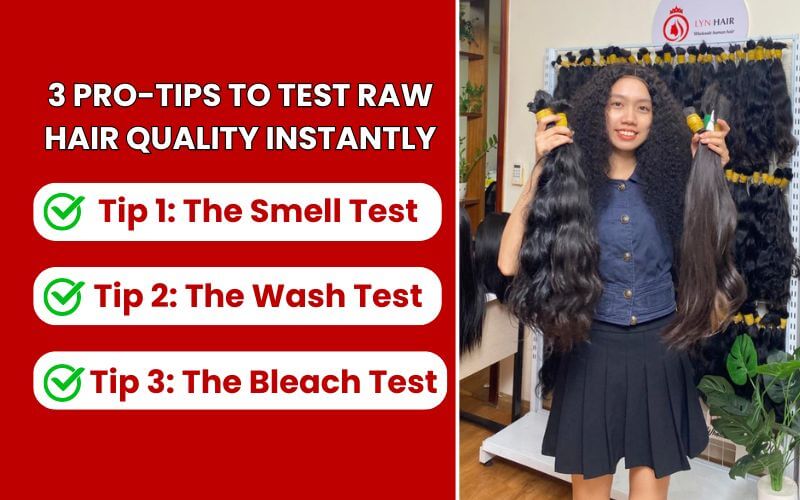
3 Pro-Tips to Test Your Hair Quality Instantly
Do not rely solely on what the vendor tells you. Use these three expert tests to determine if you are holding real raw hair or chemically altered extensions.
Tip 1: The Smell Test
How to do it: Take a deep sniff of the hair bundle right out of the package.
The Result: Raw Vietnamese hair will smell completely natural—either like clean hair or mild shampoo. Processed Brazilian hair often has a chemical, acidic odor, or a very strong, sweet industrial perfume used to cover up chemical processing.
Tip 2: The Wash Test
How to do it: Wash a small portion of the bundle with a sulfate-free, clarifying shampoo, conditioner and warm water.
The Result: If the hair immediately becomes rough, tangled, or loses its silky feel after the first wash, the vendor uses a temporary silicone coating. Raw Vietnamese hair will remain clean, smooth, and easily manageable even after washing.
Tip 3: The Bleach Test
How to do it: Cut a tiny strand of hair from the bundle and apply a professional bleaching powder.
The Result: High-quality raw hair will lift evenly and quickly without losing its elasticity. If the hair turns gummy, breaks off, or refuses to lift past a dark orange color, it is highly processed, low-grade hair.
Verdict: Which One Should You Choose?
Choose Vietnamese Hair if you are:
- A salon owner or hair boutique seller aiming to build a high-end, luxury brand with zero customer complaints.
- Planning to dye your hair platinum blonde (#613), pastel, or bright fashion colors.
- Looking for a long-term investment—hair extensions that will last for years and require minimal daily styling products.
Choose Brazilian Hair if you are:
- Working with a moderate budget and looking for affordable volume.
- Looking for a temporary style (e.g., for a specific season or event) and plan to replace the hair within a year.
- Desiring instant, bouncy waves or curls like deep waves or kinky curls.
Frequently Asked Questions (FAQ)
Is Vietnamese hair better than Brazilian hair?
Yes, in terms of purity, durability, and customization (bleaching/dyeing), Vietnamese hair is superior. Because it is sourced ethically as raw virgin hair, it preserves its cuticle layers, giving it a lifespan of up to 5 years. Commercial Brazilian hair, while cheaper and high-volume, is heavily processed and has a shorter lifespan of 1 to 2 years.
Can Brazilian hair be straightened completely?
While you can straighten steam-processed Brazilian wavy or curly hair, it may not get bone-straight. Furthermore, repeatedly applying high heat to processed Brazilian hair will strip away its moisture faster, leading to frizz, split ends, and a loss of its original curl pattern over time.
Why is Vietnamese hair more expensive?
Vietnamese hair is more expensive due to its scarcity, high quality, and ethical sourcing. Collecting single-donor raw hair from rural mountainous areas requires careful selection. The resulting hair is incredibly strong, can be bleached to blonde, and lasts for years, making it a much more cost-effective choice in the long run.
Conclusion: Invest in Quality That Lasts
When choosing between Vietnamese hair vs Brazilian, there is no single “correct” answer—only the hair type that fits your specific business goals, styling desires, and budget. However, if your goal is long-term durability and the ability to dye the hair any color of the rainbow, raw Vietnamese hair is the undisputed winner.
Are you a salon owner looking to elevate your brand with 100% authentic, factory-direct Raw Vietnamese Hair?
Get in touch with our team to receive wholesale pricing!
