
VIETNAM VIRGIN HAIR GUIDE: QUALITY, BLEACHING & RAW HAIR COMPARISON
Jun
Vietnam virgin hair is one of the most popular choices among wholesale buyers worldwide. However, as the hair industry evolves, the definition of “virgin hair” has become increasingly blurred.
In this guide, we’ll explain what Vietnam virgin hair really means, how it differs from raw hair, and what factors truly determine its quality and bleaching performance.
What is Vietnam Virgin Hair? (Traditional Definition vs. 2026 Reality)
The Traditional Definition of Virgin Hair
Historically, “Vietnam virgin hair” represented the purest form of hair available. By strict definition, it refers to hair collected from donors who have never chemically treated their hair—meaning absolutely no bleaching, coloring, perming, or relaxing. The hair is kept in its natural state, with all cuticles fully intact and aligned in one direction. Because of this purity, true virgin hair has always been highly prized for its natural shine, exceptional durability, and styling versatility.
The Commercial Reality in Today’s Market
However, as the hair industry has evolved, the terms “Virgin” and “Raw” have shifted. In today’s wholesale market, “Vietnam virgin hair” no longer has a strict, universally accepted meaning. In the modern vendor hierarchy, virgin hair is now often positioned one step below raw hair. Many suppliers use the “virgin” label simply to describe high-quality Virgin Remy hair that has undergone minimal processing, or hair that has been steam-textured into popular patterns like Body Wave or Deep Curly.
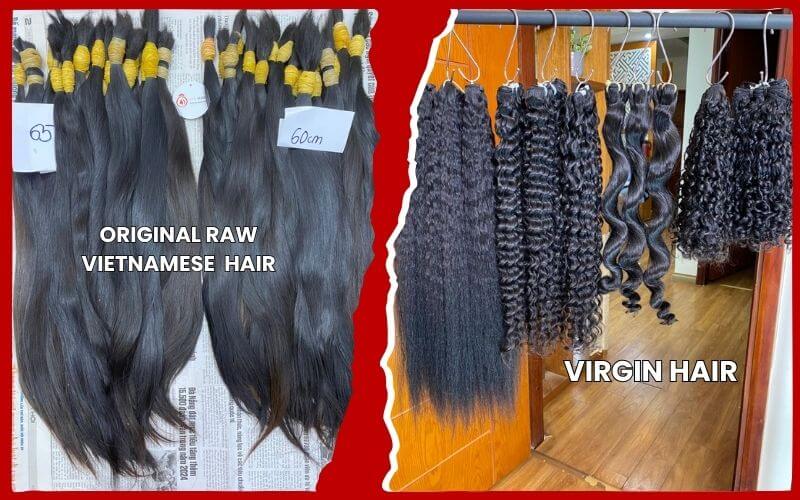
Even the term “Raw Hair” can be misleading. While many buyers expect raw hair to be completely unprocessed, industry practices vary considerably from supplier to supplier. Some products marketed as “raw curly hair” have been lightly steam-textured to achieve a specific curl pattern. Despite this additional step, high-quality raw curly hair can still maintain intact cuticles and perform exceptionally well during bleaching and coloring services.
What Buyers Should Actually Focus On?
While the terms “Virgin Hair” and “Raw Hair” can provide a general indication of how the hair was sourced or processed, they should not be the only factors used to evaluate quality.
Experienced wholesale buyers know that two bundles carrying the same label can perform very differently in real-world salon applications. For this reason, professional sourcing decisions are typically based on the actual characteristics of the hair rather than the marketing terminology used to describe it.
When evaluating Vietnam virgin hair, the most important factors include donor consistency, cuticle integrity, and bleaching performance. A bundle collected from one or two carefully selected donors will usually provide more predictable coloring results than hair blended from multiple sources. Likewise, healthy, intact cuticles are often a better indicator of longevity than whether the hair is marketed as “virgin” or “raw.”
Read More: SINGLE DRAWN VS DOUBLE DRAWN: WHAT DOES DOUBLE DRAWN HAIR MEAN?
Why Vietnam Virgin Hair Is So Popular Worldwide?
Thick, Durable Hair Fibers
One of the key reasons Vietnamese hair is highly valued worldwide is the natural strength of its hair fibers. Compared with many other sourcing regions, Vietnamese hair is often known for its fuller strand structure and excellent durability, making it suitable for long-term use in wigs, bundles, and extensions.
Naturally Dark Hair with Strong Commercial Value
Most Vietnamese donors naturally have dark hair with minimal previous chemical treatment. This provides manufacturers and stylists with greater flexibility when creating a wide range of finished products, from natural black extensions to customized colored collections.
Strong Demand Across Global Markets
Vietnamese hair has earned a reputation in key markets such as the United States, United Kingdom, Europe, and Africa because of its versatility and reliable performance. Whether buyers are sourcing hair for luxury wig collections or premium everyday extensions, Vietnamese hair remains one of the most recognized origins in the industry.
How Vietnam Virgin Hair Is Collected and Processed
The quality of Vietnam virgin hair is determined long before it reaches a salon or wig maker. From donor selection to final quality inspection, every stage of the process influences how the hair will perform in real-world applications such as coloring, bleaching, and long-term wear.
Understanding how Vietnamese hair is collected and processed can help wholesale buyers better evaluate quality and avoid relying solely on labels such as “Virgin Hair” or “Raw Hair.”
Hair Collection from Donors
The journey begins with individual hair donors across Vietnam. Many donors grow their hair for years and have limited exposure to bleaching, perming, or other aggressive chemical treatments. This makes Vietnamese hair particularly attractive to manufacturers and wholesale buyers seeking strong, healthy hair fibers.
Once the hair is cut, it is secured into ponytails to preserve the natural root-to-tip direction of the strands. Maintaining this alignment helps protect cuticle consistency throughout the manufacturing process and reduces the risk of tangling in the finished product.
The quality of the collected hair can vary significantly depending on factors such as the donor’s age, hair thickness, previous chemical history, and overall hair health. For this reason, not every ponytail is suitable for premium-grade products.
Sorting by Length, Texture, and Quality
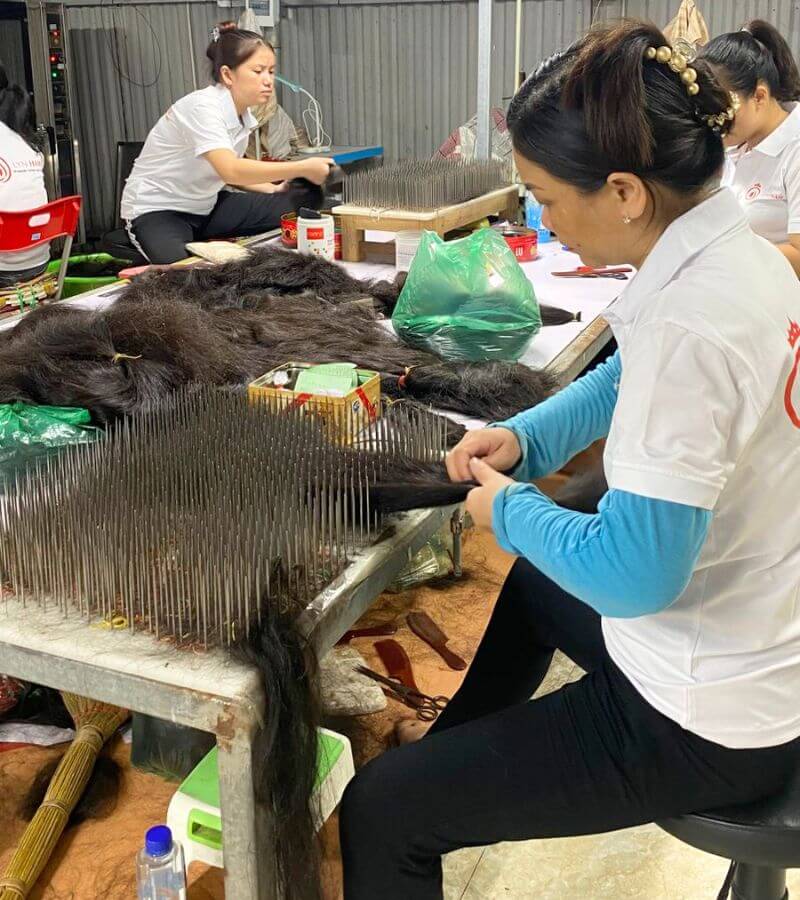
After arriving at the factory, the hair undergoes a detailed sorting process. The ponytails are carefully washed, dried, and categorized according to length, natural texture, color consistency, and overall condition.
During this stage, workers remove short hairs, damaged strands, gray hairs, and other imperfections that could affect the final product. The hair is then separated into different quality grades depending on the supplier’s production standards.
This sorting process plays a critical role in determining the performance of the finished hair. Bundles created from multiple donors may display different coloring and bleaching behaviors, while carefully selected donor hair often provides greater consistency during salon services.
As a result, donor selection and sorting standards can have a significant impact on the value and performance of Vietnam virgin hair.
Texture Creation and Quality Control
Not all Vietnam virgin hair is sold in its natural straight state. To meet market demand, manufacturers often create popular textures such as Body Wave, Loose Wave, Deep Wave, or Water Wave.
These patterns are commonly achieved through steam texturing, a process that uses heat and moisture rather than chemical relaxers or perming agents. When performed correctly, steam texturing can reshape the hair while preserving much of its natural strength and durability.
Once production is complete, the hair undergoes a final quality inspection. Manufacturers check for cuticle alignment, shedding, tangling, weft construction, length accuracy, and overall consistency.
Premium suppliers may also evaluate bleaching performance, donor consistency, and strand integrity before releasing specific product lines. These quality-control measures help ensure that buyers receive hair that performs reliably in both everyday wear and advanced salon applications.
Vietnam Virgin Hair vs. Raw Hair: Which One is Better for Your Salon?
Many buyers assume that Vietnam virgin hair and raw hair are the same product with different names. In reality, they are designed for different needs.
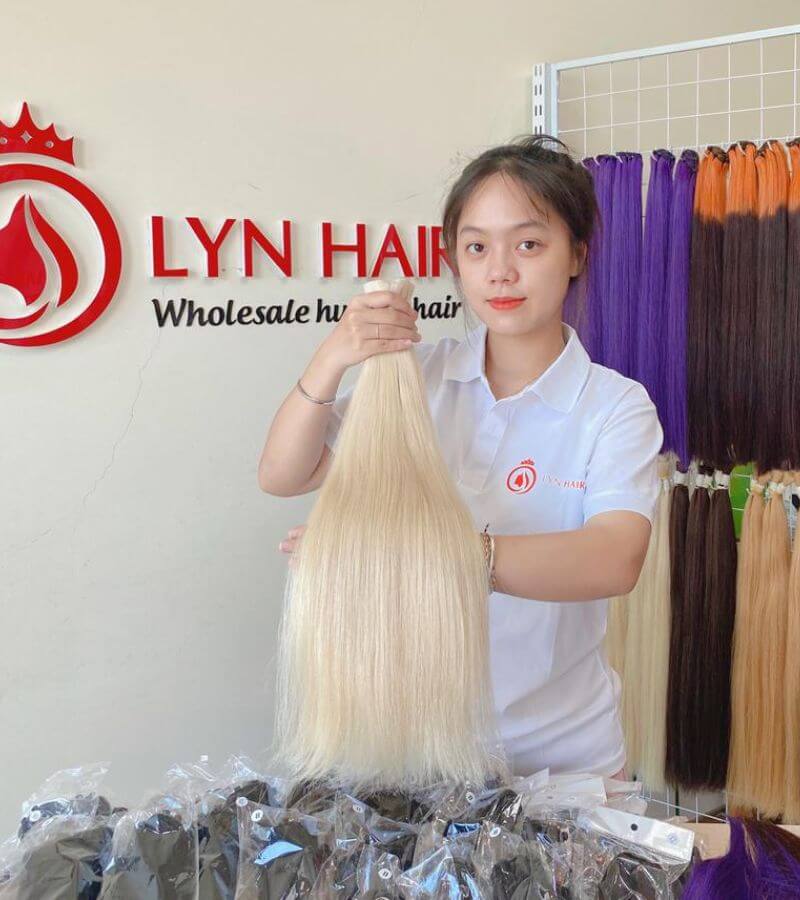
Vietnam Virgin Hair is often the preferred choice for customers who prioritize ready-to-wear products over future chemical processing. It is commonly available in a wide range of textures, including Deep Wave, Kinky Curly, Burmese Curly, and other highly defined curl patterns that require additional processing to create. Virgin hair is also frequently offered in pre-colored shades such as Chestnut Brown, Burgundy, Ginger, and other fashion colors, making it ideal for customers who want a finished look without further customization.
Vietnamese Raw Hair, on the other hand, is generally favored by professional colorists and premium wig makers. Because it typically undergoes less processing, it is often chosen for blonde collections, fashion colors, and advanced coloring services.
However, buyers should remember that labels alone do not determine quality. Donor consistency, cuticle condition, and bleaching performance are often more important than whether the hair is marketed as “Virgin” or “Raw.”
Why Some Vietnam Virgin Hair Can Be Bleached to #613 While Others Cannot ?
Many wholesale buyers assume that all Vietnam virgin hair can be lifted to platinum blonde (#613). In reality, bleaching performance varies significantly from one bundle to another. Several factors determine how well the hair will respond to aggressive lightening services.
High Melanin Content
Vietnamese hair naturally contains a high concentration of dark melanin pigments. While this contributes to the hair’s strength and rich natural color, it also means the hair requires multiple lifting stages to reach #613. During the process, unwanted orange or yellow undertones may appear before the desired blonde level is achieved.
Mixed Donor Hair
One of the biggest reasons for inconsistent bleaching results is donor variation. Commercial-grade hair is often blended from multiple donors, each with different hair thickness, melanin levels, and chemical histories. As a result, some strands may lift quickly while others remain darker, creating uneven color throughout the bundle.
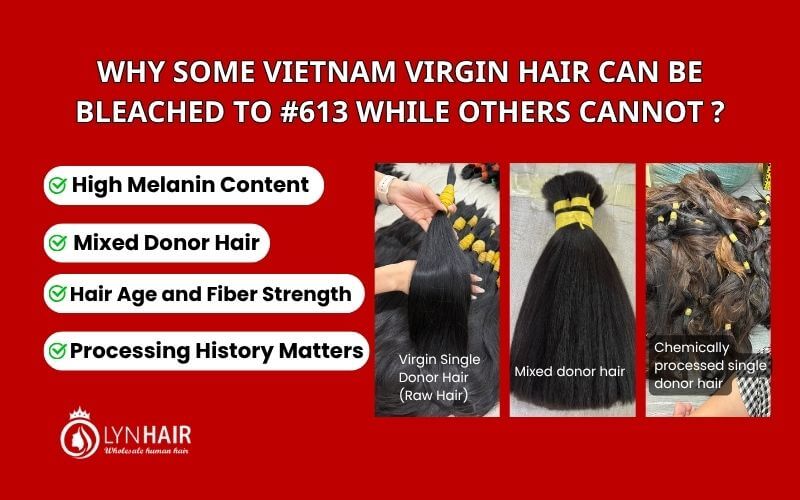
Hair Age and Fiber Strength
Not all virgin hair comes from young, healthy donors. Hair collected from older donors may still qualify as virgin hair, but the fibers are often less resilient and more prone to dryness or breakage during intensive bleaching. Strong, healthy hair fibers generally tolerate chemical processing much better.
Processing History Matters
The term “Virgin Hair” does not always guarantee that the hair is completely untouched. Some products may have undergone coloring, coating, or texture modification before reaching the market. Previous processing can affect how the hair reacts to bleach and may reduce its ability to lift evenly.
For this reason, experienced buyers rarely judge bleaching potential based on labels alone. Instead, they evaluate donor consistency, hair condition, and strand-test results before placing large wholesale orders.
Types of Vietnam Virgin Hair Available on the Market
Not all Vietnam virgin hair is created equal. Depending on the source of the hair, the level of processing, and donor consistency, different product categories can vary significantly in price, durability, and bleaching performance. The table below summarizes the most common types of Vietnamese hair available in today’s wholesale market.
|
Type |
Source |
Processing |
Bleaching Potential |
Price Level |
|
Standard Virgin Hair |
Mixed Donors |
Processed |
Up to #27 |
Budget |
|
Premium Virgin Hair (Some companies label it as raw hair but it is not bleachable.) |
Selected Donors |
Light Processing |
Up to #30 |
Mid-range |
|
Raw Hair |
Unprocessed |
None |
High |
Premium |
|
Single Donor Raw Hair |
One Donor |
None |
Highest |
Luxury |
As a general rule, commercial-grade virgin hair is ideal for buyers seeking affordability and ready-to-wear products, while raw hair and single-donor collections are typically preferred by premium salons, wig makers, and vendors targeting the blonde or luxury hair market.
How to Test Vietnam Virgin Hair Before Buying Wholesale ?
Before placing a large wholesale order, buyers should verify the actual quality of the hair rather than relying solely on product descriptions. The following tests can help identify potential issues before making a significant investment.
Strand Bleach Test
A strand bleach test is one of the most effective ways to evaluate hair quality. By bleaching a small section of hair, buyers can assess lifting consistency, elasticity, and overall fiber strength. Uneven results often indicate mixed donor hair or previous processing.
Cuticle Direction Check
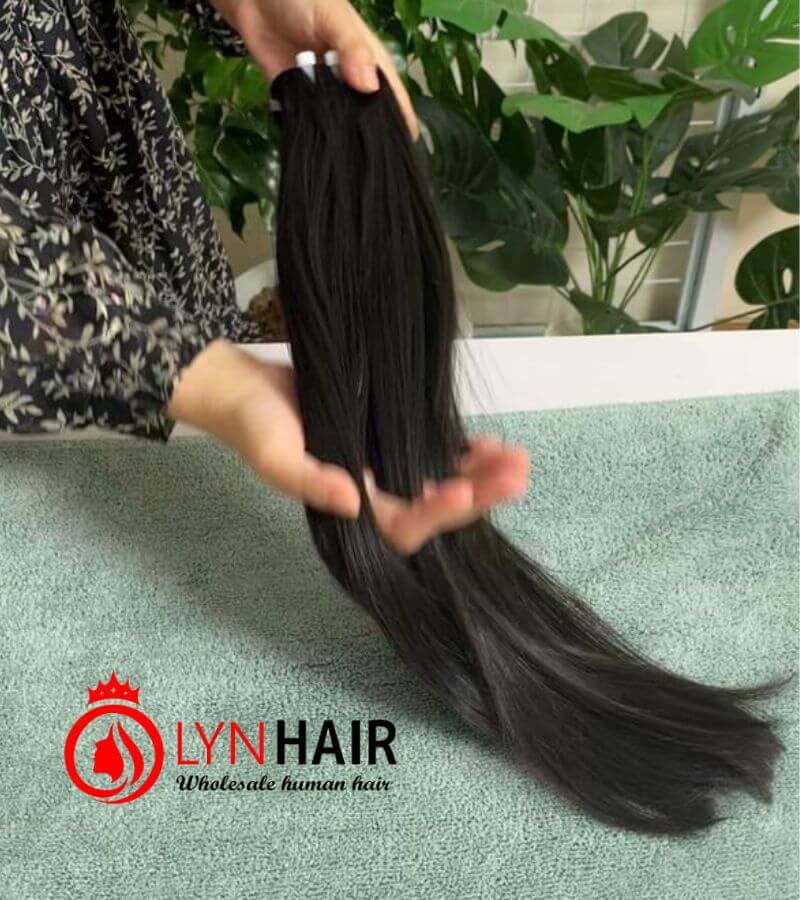
Run your fingers from the ends toward the roots. Hair with properly aligned cuticles should feel slightly resistant in one direction and smooth in the other. Excessive roughness or tangling may indicate damaged or compromised cuticles.
Wet Test
Wet the hair with clean water and observe its behavior. High-quality hair should remain smooth, manageable, and easy to comb. Excessive tangling or matting when wet can be a warning sign of poor-quality processing.
Video Call Inspection
When sourcing from overseas suppliers, request a live video call. This allows buyers to inspect the actual bundles, verify texture consistency, check weft construction, and observe the supplier’s production environment before placing a wholesale order.
Conclusion: How to Choose the Right Vietnam Virgin Hair Vendor?
Choosing the right Vietnam virgin hair vendor is not simply about finding the lowest price. As we’ve discussed throughout this guide, labels such as “Virgin Hair” and “Raw Hair” do not always tell the full story. The most important factors are donor consistency, cuticle integrity, processing history, and proven bleaching performance.
Before placing a large wholesale order, buyers should always request detailed product information, videos, and whenever possible, conduct strand tests to verify quality claims.
At Lyn Hair Factory, we believe transparency is just as important as quality. Whether you are looking for commercial-grade virgin hair, premium raw hair, or single-donor collections for blonde and custom-color projects, our team can help you identify the most suitable option for your market and budget.
Contact us today to discuss your requirements, request product videos, or learn more about our wholesale Vietnamese hair collections.
